Energy-Efficient Design: Buildings That Think for Themselves
Integrating energy efficiency into the infrastructure of a project adds to its value throughout its life cycle. The end goal is to construct a building that creatively uses natural utilities, lowering its artificial energy consumption.
- Nature-friendly designs: Modern structures are built in such a creative way that they make optimum utilisation of natural light and air flow to reduce the dependence on artificial heating and cooling.
- High-end insulation: The walls are insulated using high-end material minimises heat loss during winters and keeps interiors cool during summers.
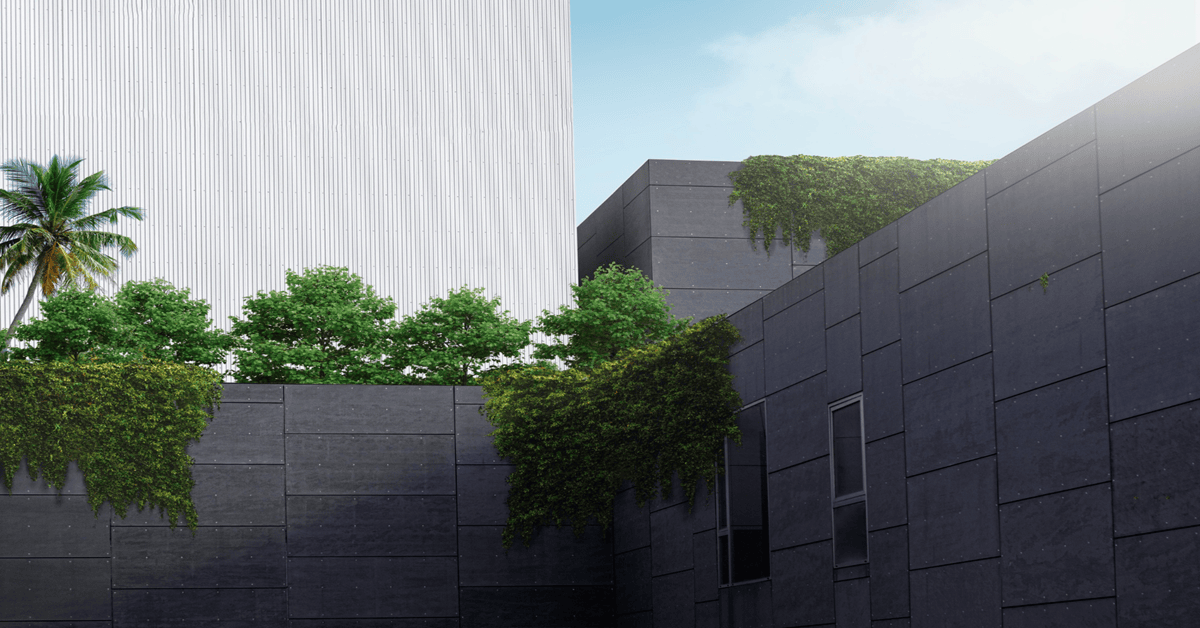
- Green roofs and living walls: Infusing plantations on the roof and walls is a modern trend in construction that is reducing the heat island effect and helps keep the building temperature in check during summers.
- Renewable energy integration: Incorporating solar panels, wind turbines, or geothermal systems to produce clean energy and move closer to net-zero buildings.
If you also want your construction project to be as mesmerising as it’s sustainable, hire RS Builders. They are the leading builders in Mohali, having expertise in residential and commercial construction.
Green Building Materials
Sustainability is integrated into the core of any structure, and all this is done with the help of green building materials. These types of materials are designed to minimise waste, conserve energy, and reduce the building’s overall carbon footprint. Here are some popular materials that construction companies are using for their projects:
- Recycled steel: The modern-day constructors are using recycled steel, which leads to a decrease in the requirement for new steel and consequently lessens the carbon emissions that would have been generated from the production of new steel.
- Bamboo: With its rapid renewability and strength, bamboo has become a much-used alternative to traditional timber.
- Hempcrete: Made from the woody inner fibres of the hemp plant mixed with lime, it’s lightweight, breathable, and incredibly energy-efficient. As it is a carbon-negative material, it actually absorbs carbon dioxide over time.
- Green cement & fly ash bricks: Produced using industrial by-products like fly ash and slag, green cement and bricks lower emissions compared to conventional raw materials.
Water Conservation and Management
The drinkable water resources are depleting at a rapid rate, and construction companies are integrating water-saving designs into the structures to combat this problem in urban cities.
- Rainwater harvesting: Collecting rainwater for non-potable uses like gardening, washing, and flushing.
- Greywater recycling: Reusing lightly used water from sinks and showers for landscaping.
- Low-flow fixtures: Installing modern plumbing that reduces water wastage without compromising performance.
- Permeable pavements: Allowing rainwater to seep into the ground instead of causing urban flooding.
Together, these systems create buildings that are self-reliant and mindful of natural resources.
Modular and Prefabricated Construction
Modular and prefabricated construction is quickly becoming prevalent among environmentally conscious builders. It involves creating building components off-site and assembling them at the project location. The benefits are undeniable:
- Reduced waste: Controlled manufacturing environments limit material wastage.
- Energy efficiency: Shorter build times reduce energy consumption.
- Speedy execution: The pre-fabricated structures are relatively easier to set up, saving time. This ease of setup proves to be beneficial in time-sensitive projects.
Smart Technology and Building Information Modelling (BIM)
Every stage of a project, from design to execution, can be monitored and optimised using Building Information Modelling (BIM). BIM allows architects, engineers, and builders to simulate energy performance, detect clashes, select eco-friendly materials, and manage resources efficiently.
Thanks to the integration of AI and IoT, smart buildings have their ability to control the lighting, cooling, and ventilation automatically, thus leading to a substantial reduction in power consumption. On top of that, predictive maintenance systems prevent the breakdown of equipment by detecting the problems early and thereby eliminating any major hazards.
In short, technology ensures that sustainability doesn’t end when construction does—it continues through the building’s entire lifecycle.
Urban Planning and Community Sustainability
Sustainability isn’t just about buildings only; it’s about creating thriving, eco-conscious communities. Builders and urban planners are embracing approaches like:
- Mixed-use developments: Combining homes, offices, and recreational areas to reduce transportation needs.
- Green spaces: Parks, vertical gardens, and rooftop vegetation that enhance biodiversity and purify air.
- Public transport integration: Encouraging walking, cycling, and mass transit to lower emissions.
Sustainable construction, when scaled to neighbourhoods and cities, becomes a catalyst for a cleaner and healthier future.
Policy and Incentives Driving Green Growth
Governments across the world, including India, are actively promoting green development. The Green Building Policy introduced in India in 2006 set achievable goals to make all new constructions adhere to sustainable standards by 2030.
Builders today benefit from:
- Tax rebates for LEED-certified buildings.
- Fast-track approvals for eco-certified projects.
- Incentives such as reduced permit fees and higher Floor Area Ratios (FAR).
These initiatives make green construction not just a moral responsibility but also a smart business decision.
The Future of Responsible Construction
Looking ahead, the next phase of sustainable development calls for innovation that combines nature with technology. Future-ready buildings will:
- Generate more energy than they consume
- Use recyclable and biodegradable materials
- Adapt to changing climates
- Prioritise occupant well-being and indoor air quality
India is already at the forefront of this movement, ranking among the top nations for green-certified buildings. But the real progress lies in how these buildings perform over time—saving energy, reducing emissions, and creating healthier spaces.
In Summary
Constructing sustainable buildings is not a trend, it’s the blueprint for tomorrow’s construction industry. Whether it’s choosing green building materials, adopting smart technologies, or rethinking design for long-term resilience, responsible construction is the way forward.
Want to stay updated with the latest ideas in sustainable development, technology, and innovation? Explore more articles on SmartMag.