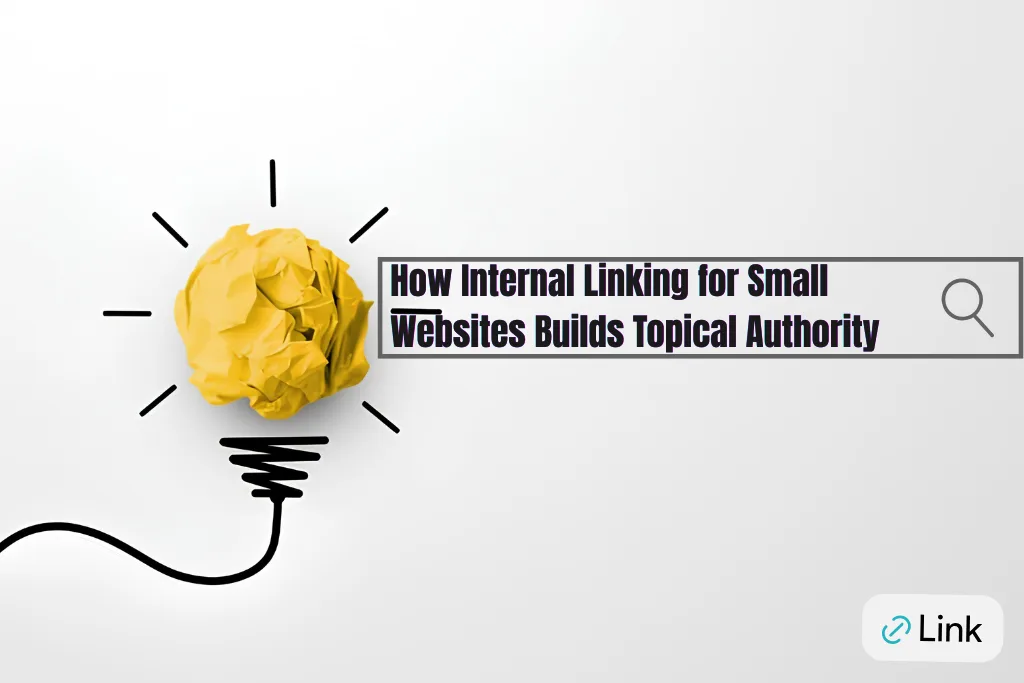
While many websites concentrate their efforts on producing quality content, one of the most crucial aspects of their SEO growth is often ignored – internal linking.
Internal linking for small websites goes beyond being a technical step. It is one of the main ways through which search engines will comprehend the content, the structure, and topics covered by the site.
Without an effective internal linking plan in place, the best-written articles may remain unnoticed.
What Is Internal Linking
Internal linking involves connecting one webpage within a site to another webpage in the same website.
For instance, an article about content marketing might contain internal links pointing to other webpages containing information on topics like keyword research, user intent, or topical authority.
Such links build connections between different pages and provide navigation for visitors and crawlers through your site’s content. As per SEO guidelines, internal links are beneficial for helping search engines index a website better.
Why Internal Linking for Small Websites Matters More
While large sites typically have established authority and backlinks, small sites typically lack such a foundation.
Therefore, when it comes to internal linking for small sites, it becomes crucial to consider it as an integral component of an SEO campaign rather than an extra consideration.
Internal Linking Helps Search Engines Understand Your Website
Search engine algorithms use internal linking to understand your website’s content.
The correct use of internal linking on your website will allow the search engines to crawl your website easily and also understand the relationship between your web pages.
When you link similar posts together, it will be easier for the readers to recognize the important topics that you cover.
Internal Linking Strengthens Content Clusters
Page interconnections make clusters truly effective.
When there is a central theme backed by various supporting articles, their interconnectedness makes for a more robust hierarchy.
Example:
Central theme:
- content marketing
Themes that support the central theme:
- consistency in content
- keyword research
- interconnected internal links
- intent behind search
- topic authority
Such a structure builds an efficient topical ecosystem and increases the possibility of establishing authority, provided you know the typical mistakes made in content marketing.
Orphan Pages Can Hold Your Website Back
Definition of Orphan Pages
Orphaned pages are pages that do not get many, if any, links internally linked to them.
Content that might be good may face challenges with ranking if it has no connection to other pages.
Internal linking for small sites eliminates orphaned pages and connects all necessary information.
Contextual Internal Links Work Best
Not all internal links are equally effective.
Links should be placed naturally within relevant content.
For example, linking a page about search intent within an SEO-related article makes far more sense than placing unrelated links randomly.
Contextual linking strengthens the relationship between pages and improves SEO performance.
Anchor Text Plays an Important Role
Anchor text refers to the text that is hyperlinked within content.
Anchor text should clearly indicate the subject matter of the web page that is linked.
Examples include:
- intent strategy
- authority guide
- consistency
Vague examples include:
- click here
- read more
Internal Linking Improves User Experience
Internal links can also enhance the overall user experience.
It will allow users to explore relevant content effortlessly and engage with your site for a longer period of time.
Focused Content Simplifies Internal Links
Creating internal links on a small scale website will become much easier when the content revolves around relevant subjects.
Unorganized publication may lead to creating irrelevant pages which will be difficult to connect with one another.
Consistency Strengthens Internal Linking Over Time
By sticking to one publication strategy all the time, you create more chances to use internal links and build relationships within your content.
Final Words
Using internal links on small websites to earn authority by means other than backlinks may be among the most dependable tactics.
Internal links allow search engines to comprehend your content, create strong relationships among the pages, and create a better experience for users.
Forget about articles being disconnected from one another; concentrate on creating content relationships.
Frequently Asked Questions
How Many Internal Links Does a Blog Post Need?
There is no fixed number. Add links where they feel natural and useful.
Does Having Internal Links Improve SEO?
Yes, they improve crawling, structure, and topical relevance.
Are Too Many Internal Links Bad for SEO?
Yes, if they are forced or irrelevant.