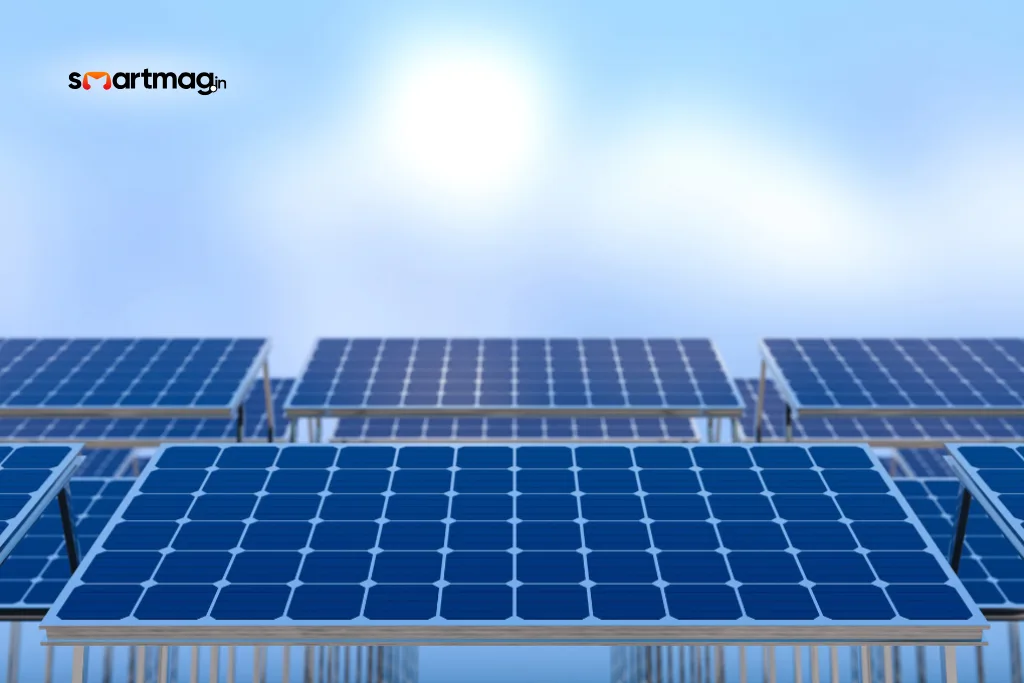
Nowadays, an increasing number of homeowners have turned to installing a rooftop solar panel for homes, and for very valid reasons. The lower costs in electricity bills, independence in energy, and low carbon emissions make it an excellent investment that everyone should consider.
However, like any other electrical system, there are various difficulties in owning a home solar power plant. Knowing the problems related to solar power installation for a home in advance can help in avoiding costly mistakes.
Below is a list of 10 potential mistakes when dealing with a solar energy system at your home, with practical solutions for each.
Poor Site Assessment Before Installation
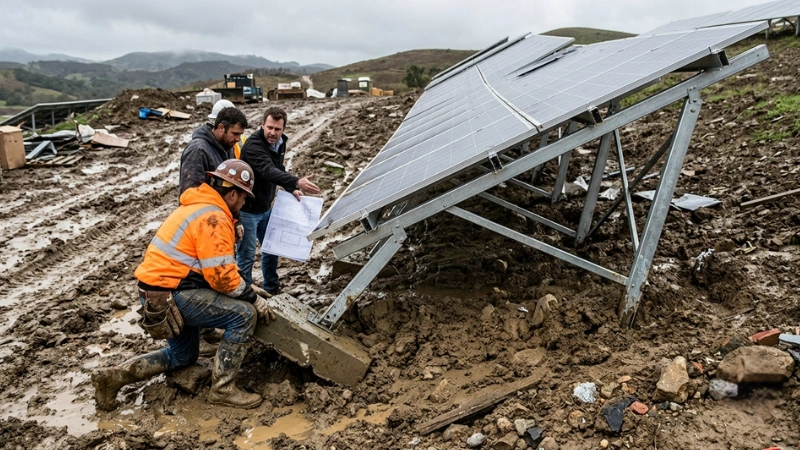
The first major error may occur before you have even installed a single panel. There have been many cases where the installation has gone wrong due to the lack of evaluation of the area being used. It is common to overlook things like the effect of shadows cast by neighbouring structures, incorrect tilts, etc. They affect the energy output of the panels.
Read More to know things before installing solar panels on your house
Solution: Make sure you get a site inspection done by professionals before installation. Use simulation software to ensure shading, roof compatibility, and perfect solar panel placement.
Incorrect Panel Orientation and Tilt
For optimal solar exposure, the roof should ideally face south with a tilt between 30° and 45°. When panels are incorrectly oriented or tilted, there will inevitably be some loss of energy that could have been otherwise gained. Orientation mistakes are among the most frequent yet preventable mistakes made when installing a rooftop solar panel for home.
Solution: Consult your installation professional regarding the best tilt and direction for the panels, in consideration of your roof design and geographical positioning. In the case that your roof is not properly positioned, tilt mounts or tracker systems may be used to compensate.
Structural Integrity of the Roof
While solar panels are light in weight, they can impose a considerable amount of pressure on your roof, especially when coupled with mounting fixtures and wind resistance. Older roofs will likely not have the capacity to cope with this additional pressure. If you do not get your roof inspected by an expert before installation, you risk damaging your roof.
Solution: Hire qualified and experienced installers who observe safety practices and can conduct a proper structural analysis.
Shading and Hot Spots
If anything blocks sunlight and casts shade onto the panels, like buildings, trees, or chimneys, the output of the solar panel will be affected. This shading could lead to hot spots, where the panels may be harmed. Hot spots happen due to an inability for the energy to flow from the panel to the inverter, resulting in certain cells overheating. Dirt on the panels or even bird faeces are responsible for this problem.
Solution: Conduct a thorough shading analysis throughout the course of each day and through various seasons before making any decisions about panel placement. Cut down trees or adjust the positioning of the panels to reduce shadows as much as you can.
Faulty Electrical Wiring and Loose Connections
One of the main problems faced by solar panels is that of faulty wiring. With time, the wiring of your roof could become loose or oxidised. Also, animals such as rats might chew the wiring connections. Hence, the effects of faulty wiring may extend from a lower efficiency level to fires on your roof.
Solution: Call an electrician and make sure that the electrical circuit of your house is up-to-date with a suitable service panel before installation.
Inverter Problems and Overheating
An inverter is central to your solar energy generator at home, transforming DC power into AC power that can be used. The consumer may have to worry about the risk of overheating. Since inverters are extremely temperature-sensitive devices, rising temperatures will cause decreased electricity production. In some cases, high temperatures can cease the production entirely.
Solution: Choose the right size of an inverter according to your system load and your future expansions. The inverter should be put in a place that has shade and good ventilation.
Solar Panel Degradation Over Time
The estimated rate of degradation for solar panels is between 0.5% and 0.8% per annum. These factors include thermal cycling, damp heat, humidity freezing, and ultraviolet rays. Thermal cycling describes the transition between extreme temperatures, which causes degradation in soldered joints in the panel. While it is a slow process, the results become significant over 20 to 25 years of lifespan.
Solution: Choose good-quality and certified material like ISI-marked wires, MNRE-approved panels, and right-sized inverters with good ventilation facilities.
Roof Leakage After Installation
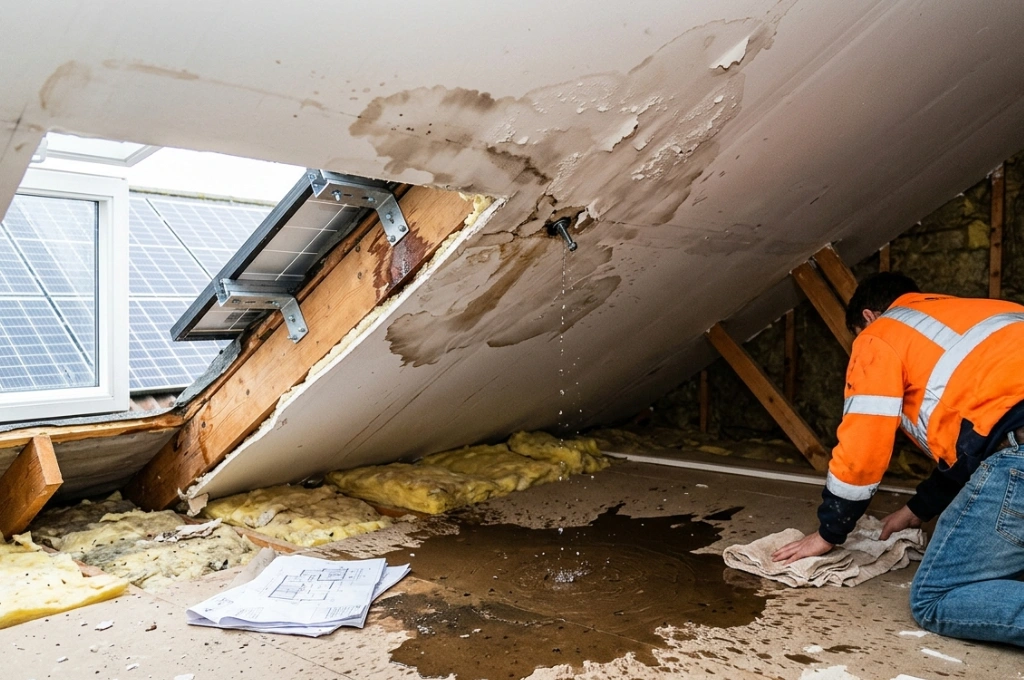
During the process of solar power installation for home, there could be interference in the movement of water. Such an occurrence is normally associated with contractors who do not take into consideration water movement during installation. Due to moisture accumulation, the brown marks of snail trails can reduce their performance or lead to premature failure of the panels.
Solution: Make sure there is adequate provision for waterproofing and proper drainage during the installation of solar panels.
Outdated Electrical Systems at Home
Some older buildings may lack a modern electrical system that can withstand the extra strain from the home solar power plant. Sometimes, there might be a need for a replacement of the entire service panel or other adjustments to the house electrical system to cope with the newly added solar system.
Solution: An electrician should examine the current electrical wiring system of your house prior to installing the solar energy system. Make sure that there is proper coordination between your installer and the electrician so that there are no problems during the installation process.
Dust Accumulation and Poor Maintenance
A number of things, like dust, dirt, bird droppings, and shading, may be responsible for causing a reduction in power output. Solar panels cannot capture sufficient sunlight when covered by dirt or shading. If there is an excessive accumulation of dust on solar panels, generation will be cut down by up to 30%. Not cleaning the panels is among the biggest mistakes people make when using rooftop solar panels for their home.
Solution: Clean your panels at least twice or thrice a year. Cleanliness could improve your output capacity by about 10% or 15%.
Conclusion
A rooftop solar panel for home is definitely something that would pay off, provided that the whole process is properly executed. Indeed, most faults in the solar panels on the roof are avoidable if the installation process is thought out carefully and implemented professionally.
Most of the troubles associated with solar energy rooftop systems arise from things like poorly wired systems, shading, and low maintenance. However, all of these issues can be prevented through proper planning, high-quality solar parts, and the help of professionals in installation.