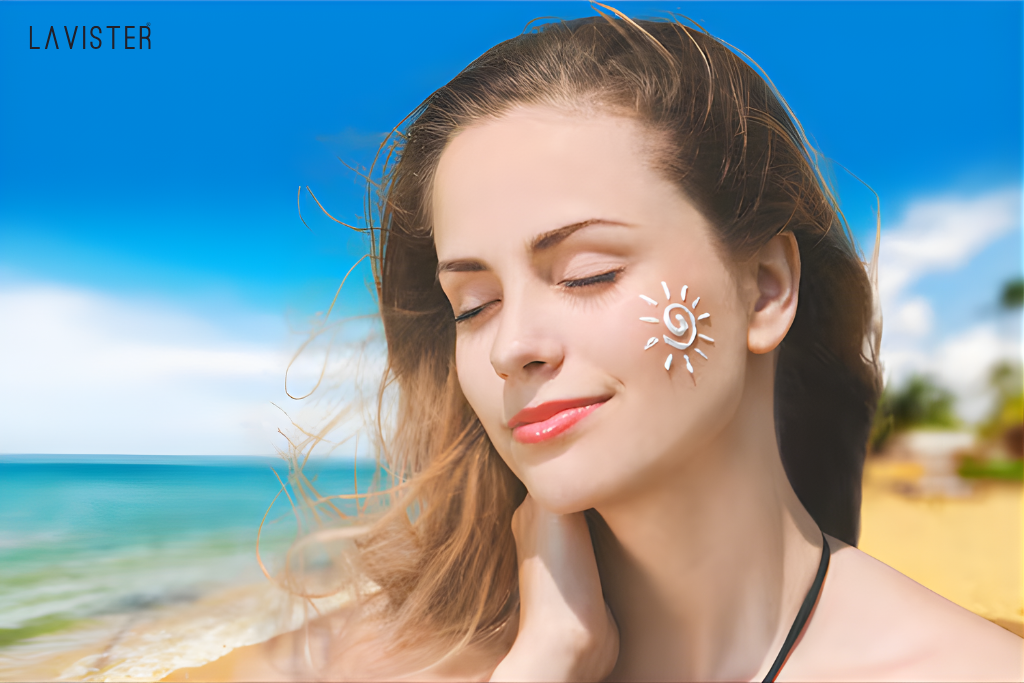
Most people grab a sun protection cream only when they head to the beach. But the sun does not wait for a beach day to damage your skin. UV rays hit your skin in many ways. It can be through windows, on cloudy days, and even during your morning commute.
So, we can say that sun damage is literally silent. It builds up over the years and shows up as pigmentation, fine lines, or uneven skin tone. In some cases, it can also be the root cause of skin cancer.
That said, most of the sun damage is largely preventable.
Good sun protection is not just about picking the right sunscreen SPF 50 or applying it once. It is a full routine. This blog breaks down everything you need to know, simply and clearly.
Why Is Sun Protection Important?
Your skin faces the sun every single day, even when you do not notice it. The sun emits two types of harmful rays, UVA and UVB. UVA rays penetrate deep into the skin and silently break down collagen.
UVB rays affect the surface and trigger burns and redness. Both add up over time to cause issues like:
- Pigmentation and dark spots
- Premature fine lines and wrinkles
- Uneven and dull skin tone
- Sunburn and inflammation
- Long-term risk of skin cancer
So, the bottom line is that sun protection is one of the smartest things you can do for your skin, today and ten years from now.
Sunscreen — Your First Line of Defense
Be honest. The moment someone mentions sun protection, one immediately thinks of sunscreen. And one would be right, too. The only problem is that sunscreen has come a long way since then. It’s no longer just one product. It’s no longer just one cream. It’s SPF, mineral, chemical, reapplication, and more.
What Are UVA and UVB Rays?
The sun sends out two types of rays that actually reach your skin every day. UVA rays go deep. They break down collagen, cause pigmentation, and speed up aging.
The tricky part is that you cannot feel them. They work silently, and the damage shows up years later.
UVB rays are the ones you do feel. They sit on the surface and cause sunburns, redness, and inflammation. Together, these two are behind most of the long-term skin damage people experience.
This is exactly why broad-spectrum sun protection matters. It covers both, not just one.
Which SPF Is Right For You?
What SPF really does is indicate how long your skin is protected after application. For example, an SPF of 30 actually offers you 300 minutes of protection. It is simple math, but the difference is huge.
While they are both effective. But the best choice depends on your lifestyle.
Here is a quick way to decide:
- Indoors mostly- SPF 30
- Outdoors regularly- SPF 50
- Sensitive or acne-prone skin- look for SPF 50 with a lightweight formula
That said, which sunscreen is best for you really comes down to how much sun your day actually involves.
Which Type of Sunscreen Should You Be Using?
You’ve certainly heard of mineral sunscreen and chemical sunscreen. But do you know what actually distinguishes one from the other? Mineral sunscreen physically sits on your skin and creates a barrier, reflecting the sun’s rays.
On the other hand, chemical sunscreen actually absorbs into your skin and converts the sun’s rays into heat.
Now, what type of sunscreen should you use? If you have sensitive or reactive skin, mineral-based products work best. They are more gentle and less likely to cause irritation. However, if you prefer a product that feels lightweight and blends seamlessly into your routine, then a well-formulated chemical sunscreen can be a great choice.
Many modern skincare brands like Lavister are now bridging this gap by creating sunscreens that offer effective protection while still feeling comfortable for daily wear—something worth considering if consistency is your goal. After all, the best sunscreen for women and men alike is simply the one that suits your skin and that you actually stick to every single day.
How to Use a Sun Protection Cream the Right Way
Most people apply sunscreen once and consider themselves protected for the day. That is not how it works.
Apply your sun protection cream at least 15 to 20 minutes before stepping out. Use about half a teaspoon just for your face and neck. Reapply every two hours if you are outdoors, sweating, or around water.
And yes, you need it indoors too. UV rays come through windows and screens add blue light on top of that. The best sunscreen routine is one you follow every single day, rain or shine.
Other Ways to Stay Protected From the Sun
Sunscreen is your first move, but real sun protection is a full lifestyle. Here are five other ways to keep your skin safe:
- A wide-brimmed hat does more for your face and neck than you think
- Sunglasses to protect your eyes
- Wear light, long-sleeved clothing that blocks UV rays without making you sweat
- Avoid peak sun hours, between 10 AM and 4 PM. The UV index is at its worst during this time.
- Reapply the sunscreen every few hours.
The best sunscreen for women and everyone else works even better when these habits back it up.
Final Words
Sun protection is not just a skincare step. It is one of the best things you can do for your skin, today and ten years from now. Pick the right sun protection cream, wear your hat, eat well, and stay consistent. Your skin quietly absorbs everything the sun throws at it. The earlier you take this seriously, the better your skin holds up over time.