Education as the Basis for Intellectual Independence and Personal Agency
When girls go to school, one of the things they get out of it is a sense of themselves as a free mind, capable of thinking critically not only about the world but also about what they do and who they are. This change is reflected in the new image girls have of themselves and their role in society, as well as their improved performances at school.
Educated girls are more capable of understanding the world, of debunking false myths and of resisting the pressures of the society in which they live. Education makes them bold to speak, to negotiate and to oppose practices that violate their rights. This is significant in those societies where girls are brought up to be submissive rather than to have their own voices.
It is a process of discovering one’s qualities slowly. Girls understand that their roles in the future will go beyond merely taking care of the home, as they are also human beings who have dreams, talents, and a sense of community.
Breaking the Cycles of Inequality Across Generations

Perhaps one of the most profound and lasting impacts of girls’ education is its capability to shatter the cycles of deprivation that have been handed down through the generations.
Education changes life paths by changing the timing of major life events and by opening up the possibilities for young girls.
Key Structural Outcomes of Girls’ Education
- Reduced probability of early marriage and teenage pregnancy
- Increased probability of completing secondary and tertiary education
- Improved access to formal employment and economic empowerment
- Increased probability of educating the next generation
These outcomes are interrelated. When girls are allowed to continue their education, they get married late, learn new skills, and become independent as they grow from childhood to adulthood. This has an effect that extends to how families allocate their resources, how the community values education, and the mode of functioning of the society.
The Measurable Effects of Education on Health and Well-Being
The association between education and health outcomes has been a major discovery in the development literature, and it has been tested and confirmed several times. The influence of education on the health-related behaviors of girls happens when the girl is not yet a mother or a caregiver.
Girls who receive education are more likely to learn about reproductive health, nutrition, and prevention. They are also more likely to become health conscious by attending immunization programs and practicing healthy habits at home, thus getting access to health care services.
Eventually, it results in a decrease in maternal mortality, infant death, and of people health conditions. On the whole, individual actions result in the public health situation of a country. The health sector experiences less stress, and the prevalence of preventable diseases is going down with the rise of educational levels of women.
The international development community, including UNICEF, has reiterated that girls’ education is a foundation for public health, gender equity, and sustainable development.
Economic Development and Workforce Transformation via Education for Girls
Investing in girls’ education is without a doubt one of the most powerful economic moves that any community can make. Keeping girls out of schools is not only a social injustice but also a huge economic disadvantage.
Supply girls with quality education, and the labor market will open to a larger and more varied pool of talents. Educated women will be active contributors to professional sectors and innovation, as well as play a significant role in the economic stability of their households. Their increased earning power will lead to increased household savings, better educational investments for children, and thus greater overall economic resilience.
On a macro, economic scale, countries with greater female educational attainment levels will experience faster GDP growth, less income inequality, and better labor productivity. Education will facilitate the transition of women from the informal to the formal sector of the economy.
The Value of Gender-Responsive, Safe, and Supportive Learning Environments

Still, not having educational achievement is merely a natural consequence of opening the doors of education to all. The point is, retention and performance in school are very much determined by the quality of the learning environment.
Female students get significantly more exposed to the risks of a poor school environment, for instance, in the classroom, with safety, health, emotional, and gender issues. This leads to them dropping out in large numbers, especially when they become teenagers.
Factors of a Good Learning Environment for Girls
- Safety and infrastructure
- Health and sanitation facilities
- Emotional support structures
- Leadership and participation
- Role models and mentors
Learning environments that incorporate the above factors will provide a platform where girls can excel academically while developing confidence in leadership and decision-making.
Residential Education as a Catalyst for Holistic Development
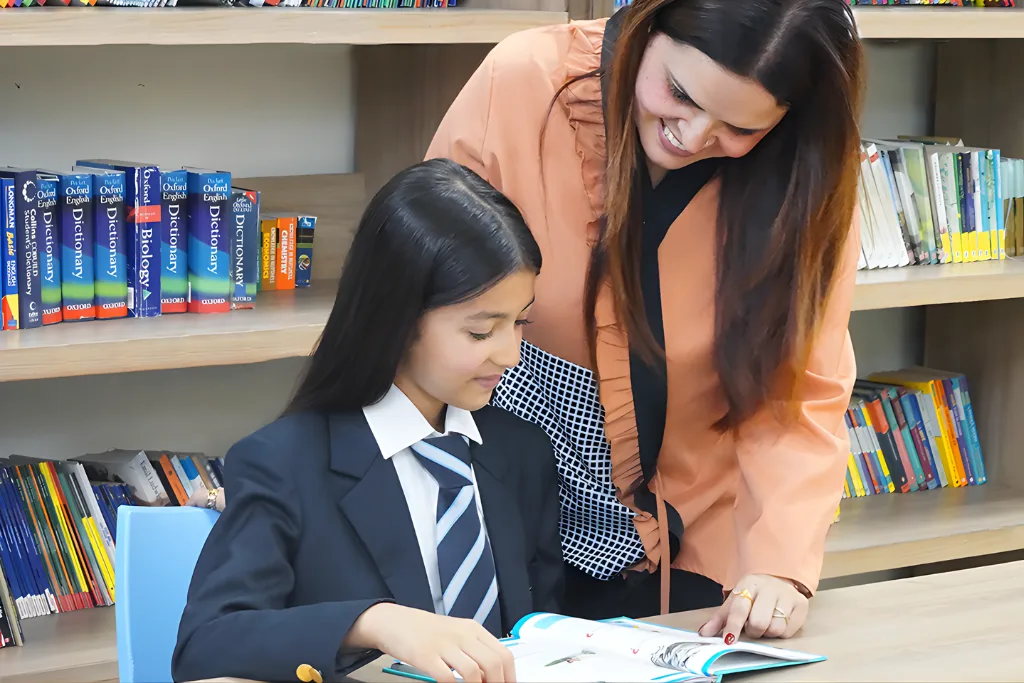
Residential schooling presents a different educational opportunity that can be very liberating for girls. By combining superior education with the practice of a well-disciplined life, girls living in residential schools get the chance to learn independence, self-discipline, and self-control.
Being part of an academic community living together enables girls to form a robust social network, acquire leadership skills, and become culturally aware. A steady exposure to guidance and a tightly monitored environment work as a safety net and, therefore, these factors prevent the gaps from being created due to socioeconomic sites.
Bedford School Mohali is an example of such a school that not only strives for academic success but also focuses on developing the students’ character, leadership qualities, and safe living environment. Such a place can be instrumental in turning young girls into confident women.
Preparing Girls for a Complex and Globalized Future

The education system nowadays has to prepare girls not only to excel academically but also to be capable of handling the world around them, which is constantly changing. These days one needs critical thinking, technology skills, adaptability and a strong sense of ethics.
Students that are able to succeed in an uncertain world and lead with integrity can be those who have been educated in a school that has global awareness, interdisciplinary education, and personal development.
A good boarding school for girls offers the stability and the environment that can be used for preparing in this way.
Conclusion
Investing in the girl child through education is one of the most effective ways of ensuring social equality and stability. The impact will be realized for generations to come, and it will have a direct impact on health, labor, and social aspects.
It is not a matter of hope but facts. Countries that invest in the education of girls will have better institutions, healthier citizens, and more stable economies. The point is clear: investing in the education of girls is investing in society.