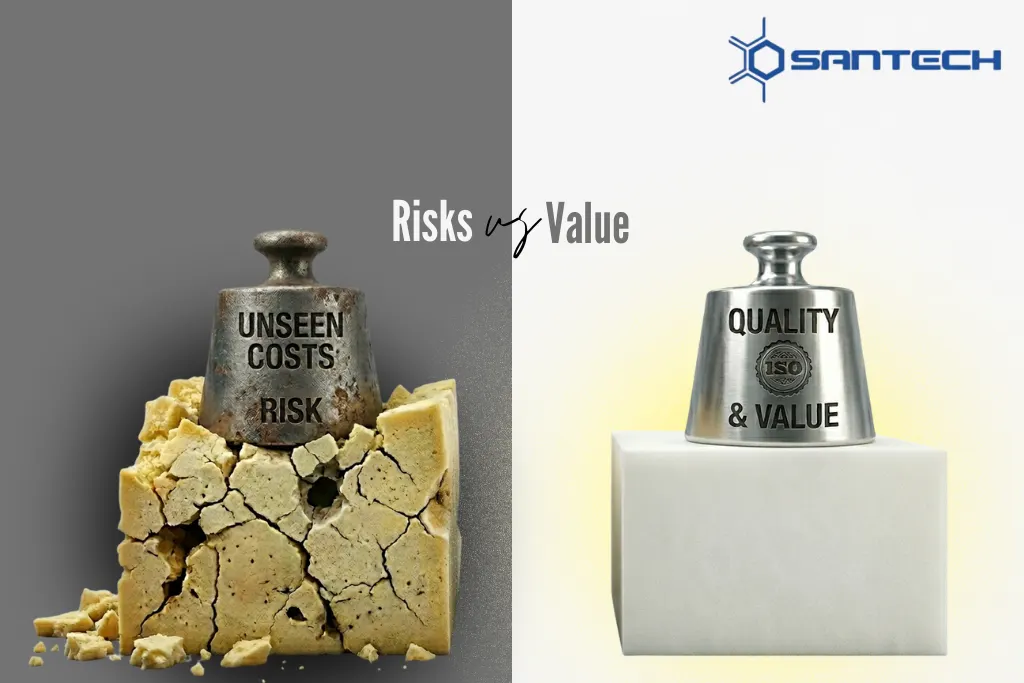
Foam is used widely across different industries, including furniture, mattresses, automotive seating, packaging, insulation, and healthcare. Since it plays an important role in ensuring comfort, durability, and safety, selecting the right supplier is more important than many buyers think. Though lower prices from unverified suppliers may seem attractive, the long-term consequences can be expensive and damaging.
Therefore, it is important to understand the common risks associated with buying foam from an unauthorised supplier and how this, in turn, can help you make smart purchasing decisions.
It is equally important to choose certified foam machine manufacturers in India, as they ensure consistent production standards, better quality control, and long-term reliability in foam output.
Well, when the foam is sourced from a supplier that does not adhere to recognised production processes, buyers often encounter problems related to inconsistent quality, delayed deliveries, and safety concerns.
This is why businesses prefer to work with reputable foam machine manufacturers for quality-driven results.
Poor Product Quality and Inconsistent Performance
One of the greatest risks associated with non-foam suppliers is poor foam quality. Foam should be able to meet the precise standards for various parameters like density, firmness, resilience, and durability. Suppliers that don’t have access to proper testing systems may produce batches that can vary significantly in performance.
For instance, one batch of foam may feel supportive and durable, while the other one may sag quickly and lose its shape after limited use. This, in turn, will create major problems for furniture makers, mattress brands, and automotive companies that depend on uniformity.
On the other hand, verified suppliers follow recognised foam quality standards to ensure that every batch performs as expected.
Problems Related to Safety and Compliance
Product safety is another area of concern. Foam that is used in homes, offices, hospitals, and vehicles should be able to meet fire resistance, emission, and hygiene standards. Issues with unverified foam suppliers usually arise when these important compliance requirements are ignored.
Poor-quality foam may contain harmful chemicals, poor flame-retardant treatments, and materials that release foul odours. In some sectors, this can lead to rejected shipments, legal issues, and damage to brand reputation.
In addition, businesses responsible for exporting goods should also be able to meet international regulations. Buying foam from suppliers that do not meet foam quality standards will lead to customs delays and failed compliance checks.
Shorter Product Lifespan
It goes without saying that poor-quality foam turns out to be expensive as time passes. Another commonly encountered risk is reduced durability. Foam that is not manufactured properly can easily crack, crumble, and flatten.
For mattresses and furniture manufacturers, this simply means more complaints, warranty claims, and negative reviews. On the other hand, in the packaging sector, weak foam can fail to protect goods during transport.
By working with suppliers using advanced systems from foam machine manufacturers in India, businesses will get access to foam of better quality and longer durability.
Delays in Supply Chain and Unreliable Service
The majority of the businesses only focus on price and often ignore the reliability of a supplier. However, issues like late deliveries, sudden stock shortages, poor communication, and lack of proper technical support can interfere with the daily operations.
For instance, a delayed foam shipment can halt furniture production, postpone customer orders, and increase overall operational expenses. Small and uncertified suppliers may lack raw material planning or quality documentation abilities, thereby making urgent orders difficult to fulfil.
Suppliers that are renowned and have access to strong machinery setups are better prepared to maintain schedules and uniform output.
Hidden Financial Losses
In the start, low-cost suppliers may appear to reduce overall expenses, but in reality, another common risk of opting for an unverified foam vendor is financial losses that are not visible. For instance:
- Production downtime
- Damage to customer loyalty
- Higher long-term sourcing expenses
- Increased waste from defective foam
- Frequent product return and replacement
This simply means that the cheapest quote is not always of the best value. It is important for the buyers to compare lifecycle cost and not just the unit price alone.
Lack of Technical Expertise
Foam production requires thorough knowledge of different formulations, machinery calibration, curing conditions, and performance testing. Some of the major issues occur as suppliers don’t have proper technical expertise to meet the needs of a specific application.
For example, packaging foam needs shock absorption, while seating foam may require resilience and comfort. Matress foam may need pressure relief and airflow properties. Without proper technical knowledge, buyers may receive foam that is not meant for intended use.
However, well-reputed foam machine manufacturers will always invest in technology that will help them to deliver tailored solutions for different industries.
How to Select a Reliable Foam Supplier?
To reduce the risks mentioned above, businesses should carefully assess their supplier network. You should look for:
- Quality testing procedures
- Modern manufacturing equipment
- Positive client feedback
- Uniform production capacity
- Compliance with foam quality standards
- Technical support and customisation options
Therefore, suppliers using advanced machinery and controlled processes will deliver more dependable quality.
Wrapping Up
Purchasing foam from unverified foam suppliers may appear to be a cost-effective option at first, but in the long run, consequences can be intense. Problems like poor quality, safety concerns, delays in delivery, and damage to your brand reputation make it a risky choice. In fact, the majority of the problems arise due to poor processes, improper testing, and lack of technical knowledge.
By selecting suppliers that adhere to recognised quality standards and use reliable systems, businesses can easily ensure better product quality, customer satisfaction, and profitability.